Crafting Candles That Truly Sing

Today we dive into how wax blends, dyes, and wick types shape fragrance throw and luminous warmth, demystifying the invisible physics behind captivating candles. Expect practical insights, small maker stories, and lab-tested tips that help your jars fill rooms with scent while flames glow clean, steady, and irresistibly welcoming.

The Interplay That Rules Every Burn

Every unforgettable candle balances three quiet powerhouses working together: the wax matrix that holds and releases aroma, the wick that drives fuel and air, and the colorants that subtly change heat, opacity, and flame behavior. Understand their dialogue, and you can transform ordinary jars into radiant, fragrant companions.

Blends That Carry Scent Farther

Soy brings clean burns but often needs patient curing to unlock full projection. Coconut fractions soften the network, improving hot throw and glass adhesion. Together, they support higher fragrance loads with fewer cold throw compromises. Precise ratios, cure times of one to two weeks, and gentle heat management elevate performance.
Paraffin excels at fast, impressive hot throw, even with brief cure windows. Its low viscosity fuels robust melt pools and vigorous capillary action. The trade-offs are potential soot and hotter jars. Use refined, low-odor grades, consider microcrystalline support, and pair with right-sized wicks to maintain clarity, safety, and brilliance.
Beeswax glows warmly and burns long, yet carries a natural honeyed aroma that can mask delicate notes. Palm forms crystalline patterns that shimmer but demand careful wick selection. Rapeseed offers sustainable smoothness. Blending small portions of these waxes adds texture, adhesion, and glow while preserving fragrance clarity and balance.

Colorants That Behave Under Heat

Wick Architecture and Flame Geometry

Wick families vary by braid, core, and coating, reshaping capillary flow, curl, and self-trim. Cotton flats, paper-core, and advanced series like CDN, HTP, and ECO respond differently to viscous blends and heavy dyes. Matching geometry to jar diameter, wax rheology, and load preserves brightness, cleanliness, and steady scent release.

Designing for Luminous Warmth

Brightness emerges from stable combustion, clear fuel, and smart vessel choice. Thick glass retains heat yet may over-warm with aggressive wicks. Color affects perceived glow through absorption and scattering. Mastering melt pool depth, wall adhesion, and airflow turns simple jars into evening companions that soothe spaces and spirits.

The Cinnamon Trial That Changed Everything

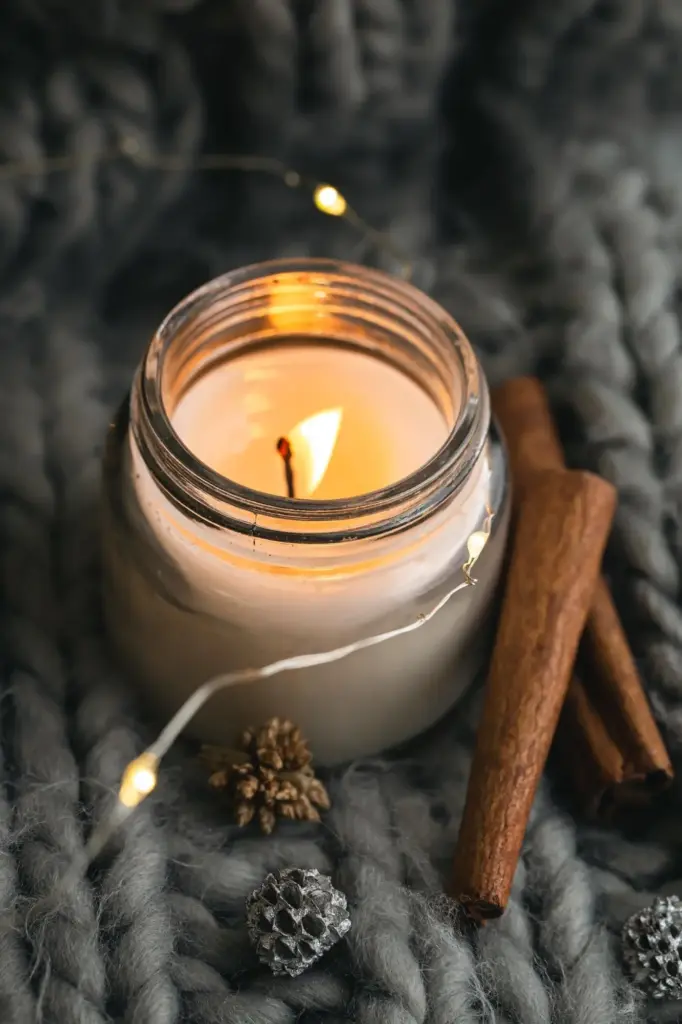
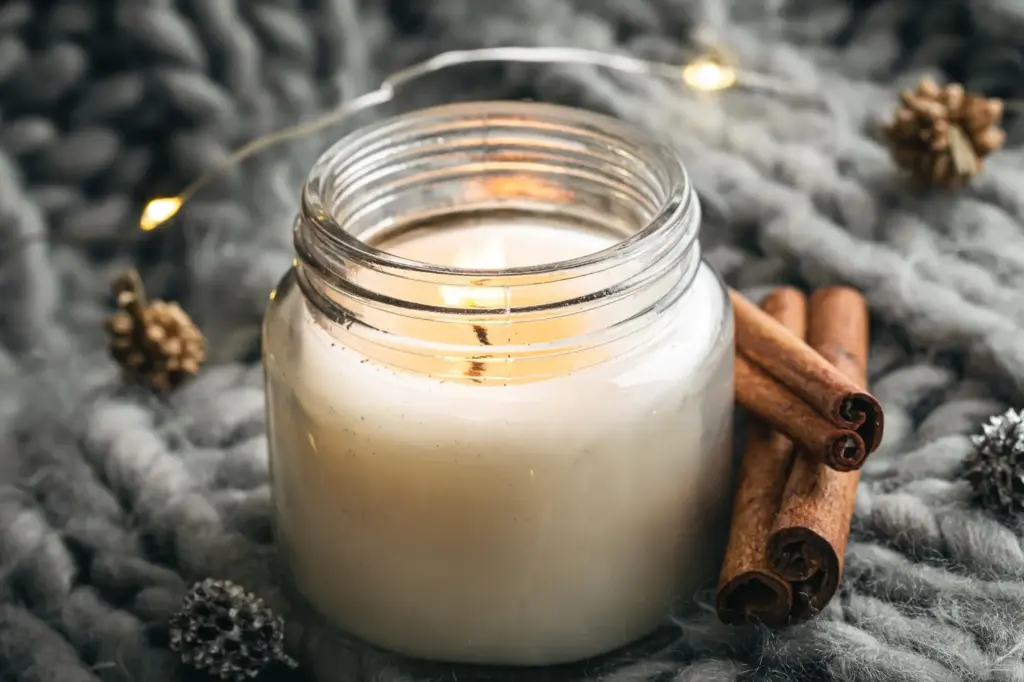
A home crafter chased a bold red cinnamon but the jar smelled faint and tunneled. The culprit was heavy dye and an undersized wick fighting viscous fuel. Lightening the shade, stepping the wick one size, and extending cure delivered full December spice and a welcoming, fireplace-bright, steady flame.

A and B Series That Speaks the Truth

Test in pairs. Keep one variable fixed and shift another by a single step. Burn three hours, cool fully, repeat across several cycles. Log melt pool width, depth, jar wall temperature, flame posture, and room scent reach. Small, disciplined iterations reveal the combinations that sing in your space.
Moridavomiramexopentoravokira
Privacy Overview

This website uses cookies so that we can provide you with the best user experience possible. Cookie information is stored in your browser and performs functions such as recognising you when you return to our website and helping our team to understand which sections of the website you find most interesting and useful.